



woman closeup

As a global leader in contact lenses, we help improve the way people see each day.*1

But our work does not stop there. We thoughtfully design our products and packaging† to make efficient use of resources while working to reduce our carbon footprint.‡§1

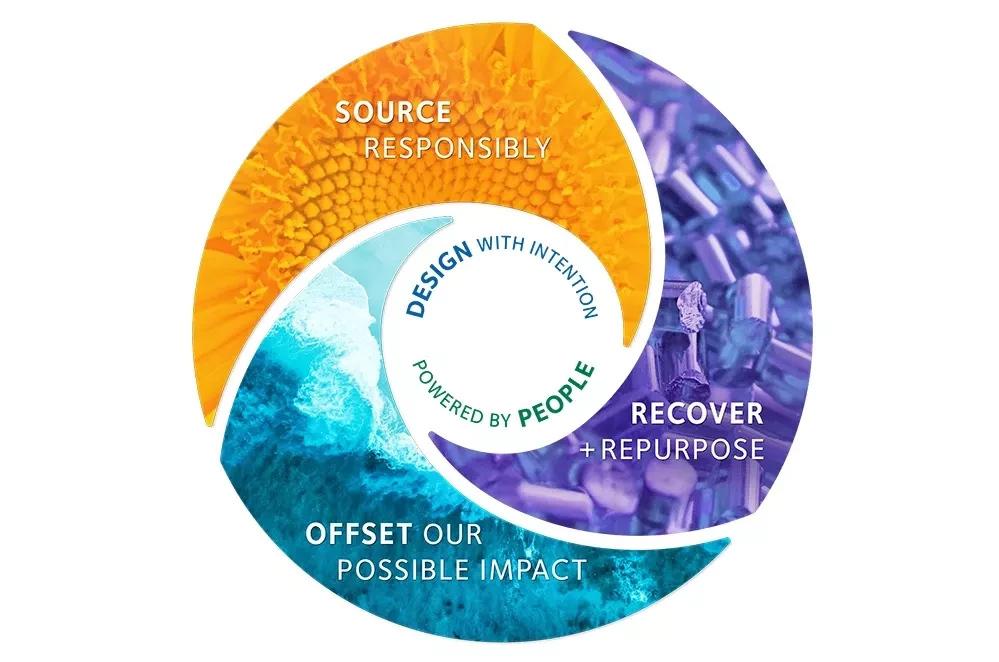
Here at CooperVision, we are taking steps in our manufacturing and distribution to operate more sustainably where possible. We are striving to eliminate waste and unnecessary packaging to reduce our environmental impact.2 By facilitating the responsible sourcing of materials,3 reusing waste where we can¸1 and starting to offset waste from our products and packaging that cannot yet be reclaimed, we are taking strides to improve the well-being of our planet.¶1

Together with our customers, our partners and beyond, many small acts today count toward a brighter tomorrow for People + Planet.
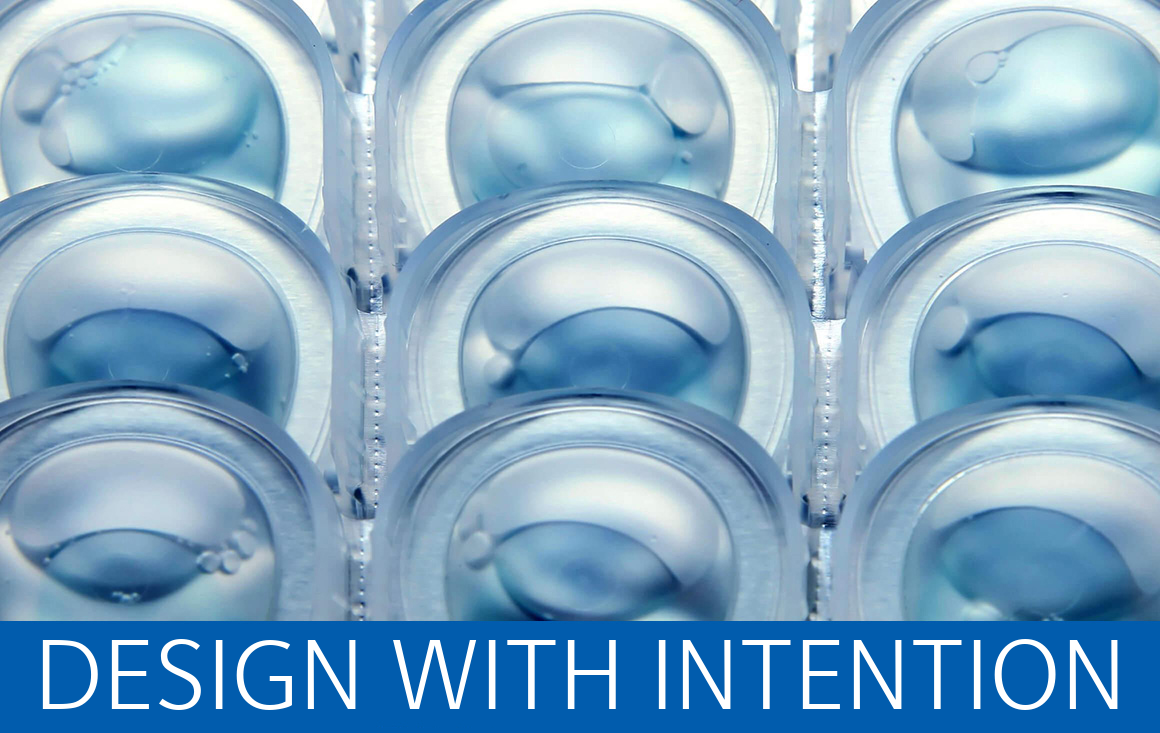
We design, and continuously redesign**, to reduce our carbon footprint.‡§1

We thoughtfully design our products and packaging† to make efficient use of resources while starting to reduce our carbon footprint.‡§1 From our products to our facilities and our processes in between, we are purposeful in the choices we make today toward a greater collective impact tomorrow.

We design for recyclability, engineering products and packaging to work with community recycling programmes wherever possible.

We build facilities powered by renewable energy¹ and develop processes† to intentionally reduce our footprint.‡§1 We design, and continuously redesign, to produce less waste.††4

We collaborate and innovate, using our skills to care for our planet and each other.

At CooperVision, we are passionate about our role as a global citizen, empowering our employees to champion sustainability, no matter how small the act. Together with eye care professionals and contact lens wearers, we can all take steps to embrace sustainable actions today to help protect our future.

But we are about so much more than contact lenses. That is why we partner with international organisations and communities to help us reduce our environmental footprint1 and make a positive difference. All of this is made possible by people with passion, innovative thinking and a drive for action. Through our collective ingenuity, we can take strides to improve the well-being of our planet, together.¶1 And we invite you to join our journey toward a brighter tomorrow.
OUR MADE BETTER PROMISE
 

Our MADE BETTERTM Promise is about making smarter, more sustainable choices for our participating contact lens products.‡‡5 It reflects the work we do each day, the progress we have made, and our ongoing dedication to a brighter future - for People + Planet.

Today, our MADE BETTERTM Promise is woven throughout the life of our participating contact lenses, from sourcing more responsibly with lower-carbon packaging materials, to intentionally manufacturing for greater efficiency and reduced waste, to offsetting a portion of plastic waste for the products we sell.‡‡§§¸¸ 2,5

We start by thoughtfully selecting packaging materials for our MADE BETTERTM products to reduce our impact from the very beginning.¶¶5
Our MADE BETTERTM products are made with less carbon through efficient manufacturing processes that reduce waste and improving resource use.†††‡‡‡6,7
To help address the possible impact of our MADE BETTERTM products, we offset a portion of our plastic footprint through our plastic neutrality programme.‡‡§§5
 

FEATURED STORIES

Here at CooperVision, we are proudly taking steps to operate more sustainably and strive to minimise our possible environmental impact.‡‡5

Through our Sustainability Innovator Series, we will share stories of people in a wide range of roles throughout our organisation who have contributed to our sustainability efforts, big and small.

PLASTIC MADE BETTER§§§8,9

We are adopting Plastic MADE BETTER™ by starting to buy ISCC PLUS-certified plastic. §§§2,8,9

In doing so, CooperVision is committed to achieving a higher standard for how plastics are made.
BIGGER THAN BOTTLES

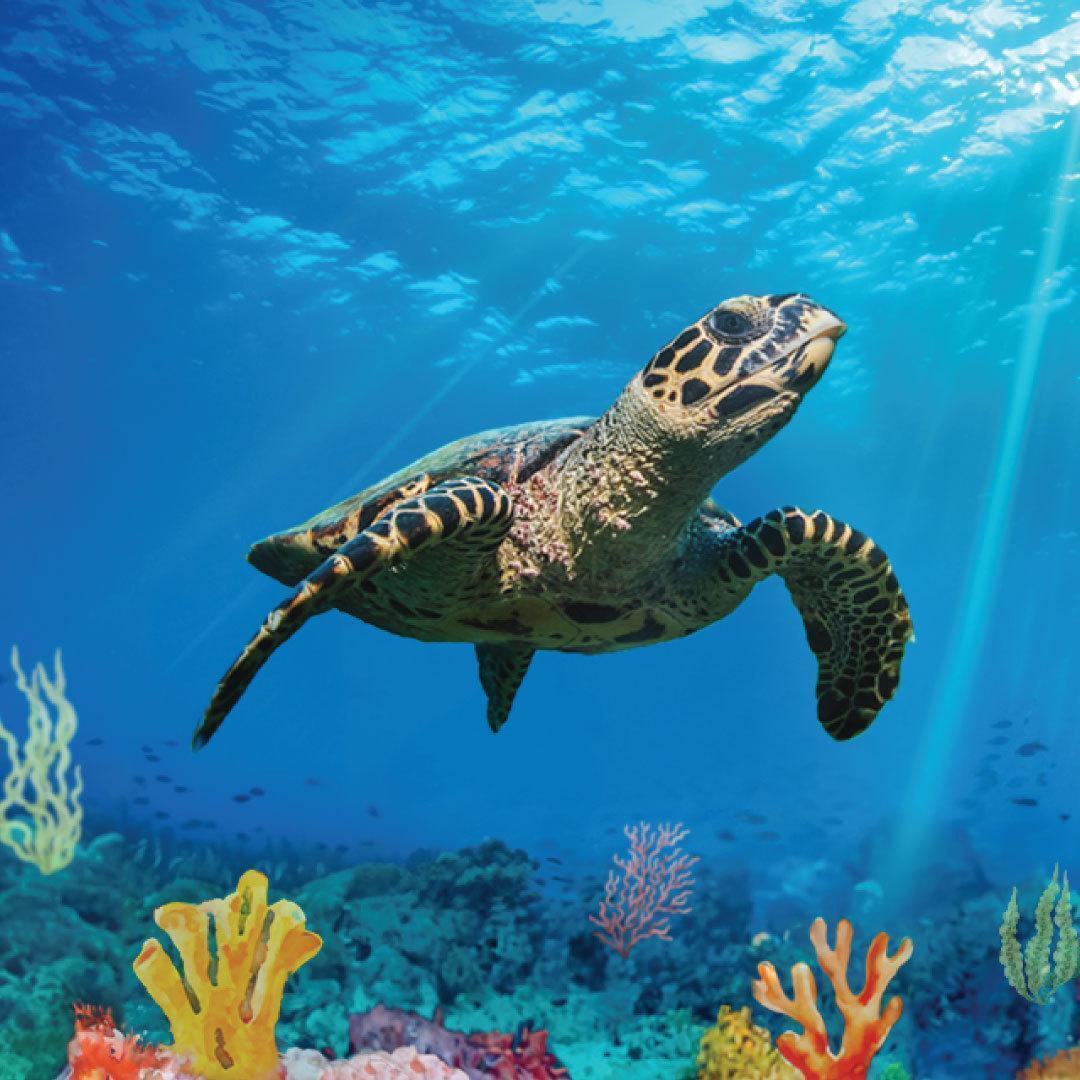
Through our partnership with Plastic Bank, we offset a portion of our plastic footprint.2

To date, our partnership has supported the collection and recycling of hundreds of millions of plastic bottles from coastal areas where plastic pollution is prevalent¶¶¶10 and improved the livelihoods of thousands of collection members in hundreds of communities.2,10


Explore more and see how we are taking steps towards a brighter tomorrow.

* Combination of 2022 market research based on global volume data and internal estimates.
† Refers to continuous manufacturing improvement processes undertaken by CooperVision to increase efficiency.
‡ Carbon footprint is limited to Scope 1 and 2 emissions, defined as: Scope 1 emissions are direct emissions from owned or controlled sources. Scope 2 emissions are indirect emissions from the generation of purchased energy.
§ CooperVision's 2022 Environmental, Social, and Governance Report.
¸ CooperVision's 2020 Environmental, Social, and Governance Report.
¶ Refers to CooperVision's plastic neutrality initiative with Plastic Bank.
** Refers to continuous manufacturing improvement processes undertaken by CooperVision to reduce its Scope 1 and 2 carbon emissions.
†† Waste associated with the manufacturing of contact lenses.
‡‡ CooperVision’s MADE BETTERTM Promise programme has introduced lower-carbon inputs with traceable sourcing - including ISCC PLUS-certified, lower-carbon plastic and lower-carbon aluminum - into the primary packaging of the MyDay® range of products. It also refers to process improvements that have reduced waste, improved energy efficiency, and lowered greenhouse gas emissions during production of the MyDay® range of products. Methods and verification information are available at coopervision.ca/sustainability/methods.
§§ Through its partnership with Plastic Bank, CooperVision offsets a portion of its plastic footprint by funding the collection and recycling of plastic waste, equivalent in weight to the plastic used in participating soft contact lens products sold in participating countries, gathered within 30 miles of oceans or waterways in countries where Plastic Bank operates. Plastic weight is based on the total weight of plastic in the lens, blister and secondary packaging, including laminates, adhesives, and auxiliary inputs (e.g. ink). This does not include plastic used during the manufacturing process.
¸¸ Plastic used in participating CooperVision soft contact lens products is determined by the weight of plastic in the blister, the lens and the secondary package, including laminates, adhesives and auxiliary inputs (e.g. ink). The determination does not include plastic used during the manufacturing process for both these products and their packaging.
¶¶ CooperVision’s MADE BETTERTM Promise programme has introduced lower-carbon inputs with traceable sourcing - including ISCC PLUS-certified, lower-carbon plastic and lower-carbon aluminium - into the primary packaging of the MyDay® range of products. Methods and verification information are available at coopervision.ca/sustainability/methods.
*** Results compare 2024 with a 2021 baseline. Full life cycle assessment has been conducted in accordance with ISO 14067 and verified through independent critical review from a cradle-to-grave basis, which covers all product stages from raw material extraction to end-of-life. Details on methodology and verification are available at coopervision.ca/sustainability/methods.
††† ‘Carbon reduction’ and/or ‘lower carbon’ refer to a reduction in total greenhouse gas emissions, expressed as carbon dioxide equivalent (CO2e). No carbon offsets are used.
‡‡‡ CooperVision’s MADE BETTERTM Promise programme has implemented process improvements that have reduced waste, improved energy efficiency, and lowered greenhouse gas emissions during production of the MyDay® range of products. Methods and verification information are available at coopervision.ca/sustainability/methods .
§§§ CooperVision's plastic supplier has found that manufacturing polypropylene (PP) plastic using biobased inputs reduced greenhouse gas emissions by 2.3 kg CO2e/kg PP compared to conventional fossil-based inputs.
¸¸¸ ISCC PLUS: International Sustainability and Carbon Certification PLUS.
¶¶¶ CooperVision, through its collaboration with Plastic Bank, has collected and converted approximately 12.4M kg of plastic destined for waterways as of December 2025. Using Plastic Bank's metric of 1kg of plastic equaling 50 standard 202mm bottles, that will be the equivalent of approximately 622M plastic bottles not reaching our oceans.


References:
1. CVI data on file, 2023.
2. CVI data on file, 2024.
3. CVI data on file, 2023. CooperVision Supplier Code of Conduct.
4. CVI data on file, 2023. Manufacturing sites: Costa Rica, Hungary, New York State, Puerto Rico and Southampton, UK.
5. CVI data on file, 2023-2025.
6. CVI data on file, 2021-2025.
7. CVI data on file, 2026.
8. CVI data on file, 2023. Cradle-to-gate assessment of our supplier's biorenewable input.
9. Narayan, R. (2011). Carbon footprint of bioplastics using biocarbon content analysis and life-cycle assessment. MRS Bulletin, 36(09), 716–721. https://doi.org/10.1557/mrs.2011.210
10. CVI data on file as of 12/2025.

MADE BETTERTM is a trademark of The Cooper Companies, Inc. and its subsidiaries.
© 2026 CooperVision.

SA17370